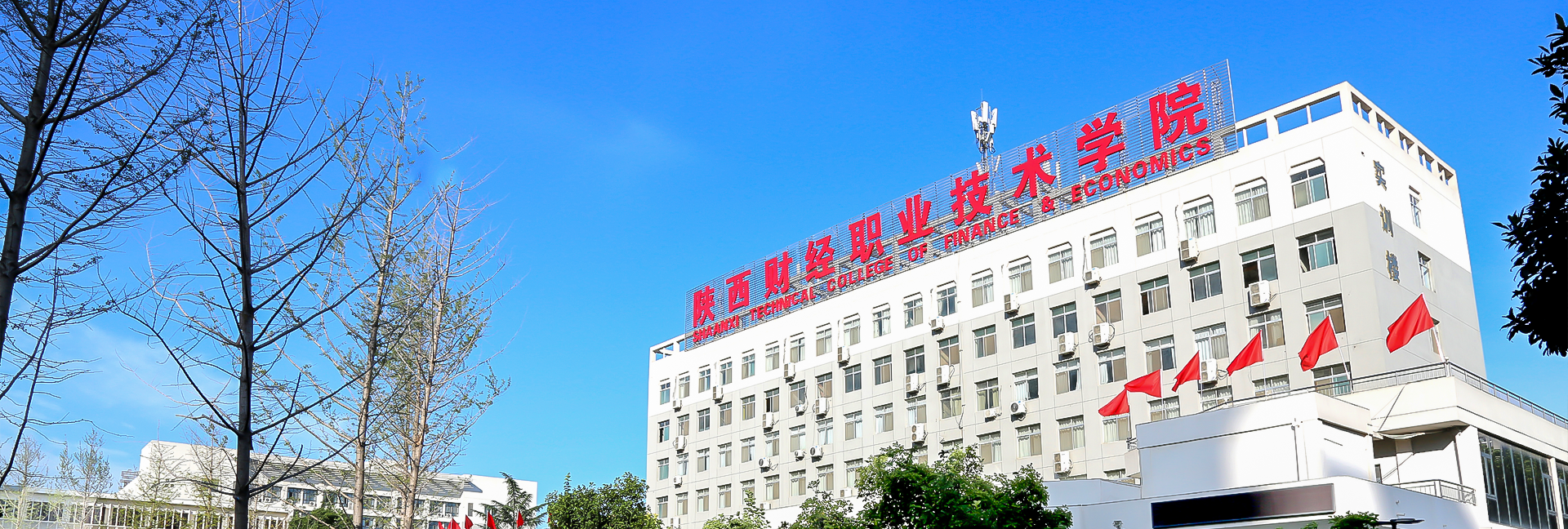
From December 27 to 29, 2025, the "Experiencing Chinese Civilization: China-Nepal Cultural Exchange" was successfully held in Kathmandu to commemorate the 70th anniversary of the establishment of diplomatic relations between the People’s Republic of China and Nepal. Co-organized by World Knowledge Publishing House, the Embassy of the People's Republic of China in Nepal, and the Foreign Affairs Office of the People's Government of Shaanxi Province, among others, the event showcased the profound heritage of Chinese culture through interactive exhibitions and educational engagements.A distinguished delegation from our institution participated in the program upon invitation, led by Mr. He Xingwen, a National Master of Chinese Arts and Crafts. He was joined by Shaanxi Provincial Master of Arts and Crafts Wang Yufang, guest calligraphy professor Lü Jiupeng, and Director of International Exchange and Cooperation Yang Hua. Throughout the series of events, the team captivated audiences with live demonstrations of wheat straw painting and Chinese calligraphy—two exemplary forms of China’s intangible cultural heritage—garnering widespread attention and acclaim.
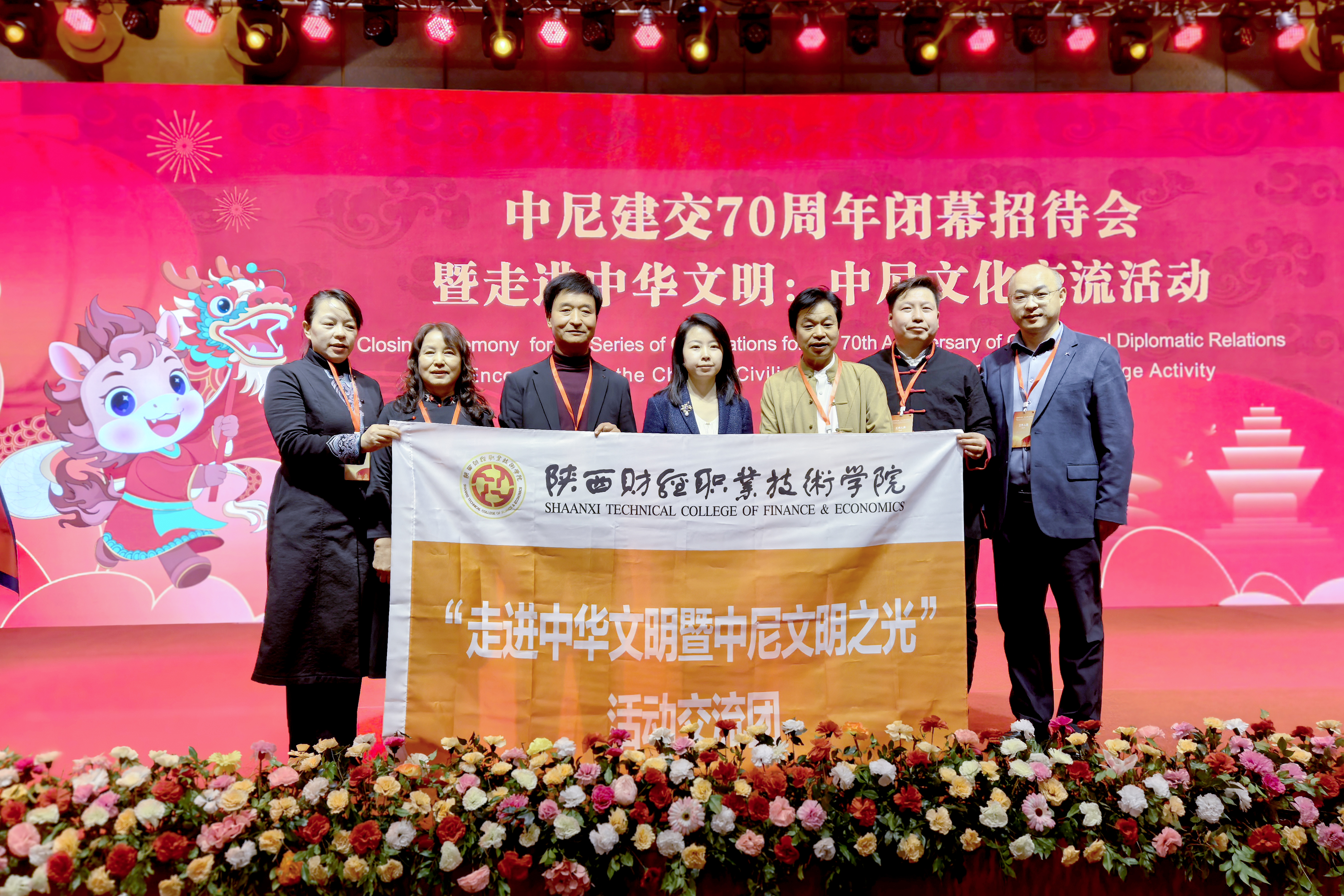
On December 27, the closing reception for the 70th anniversary celebration was grandly held in Kathmandu, attended by approximately 800 distinguished guests including Indira Rana, Deputy Speaker of the House of Representatives of Nepal, Zhou Pan, Chargé d'Affaires of the Chinese Embassy in Nepal, as well as representatives from various sectors of both countries. Serving as the opening venue for the "Experiencing Chinese Civilization" series, the reception featured a dedicated cultural demonstration area where the delegation presented the exquisite artistry of Shaanxi wheat straw painting and traditional Chinese calligraphy. The distinctive aesthetic appeal and deep cultural significance of these arts attracted numerous guests to stop, appreciate, and interact, making it a highlight of the event.

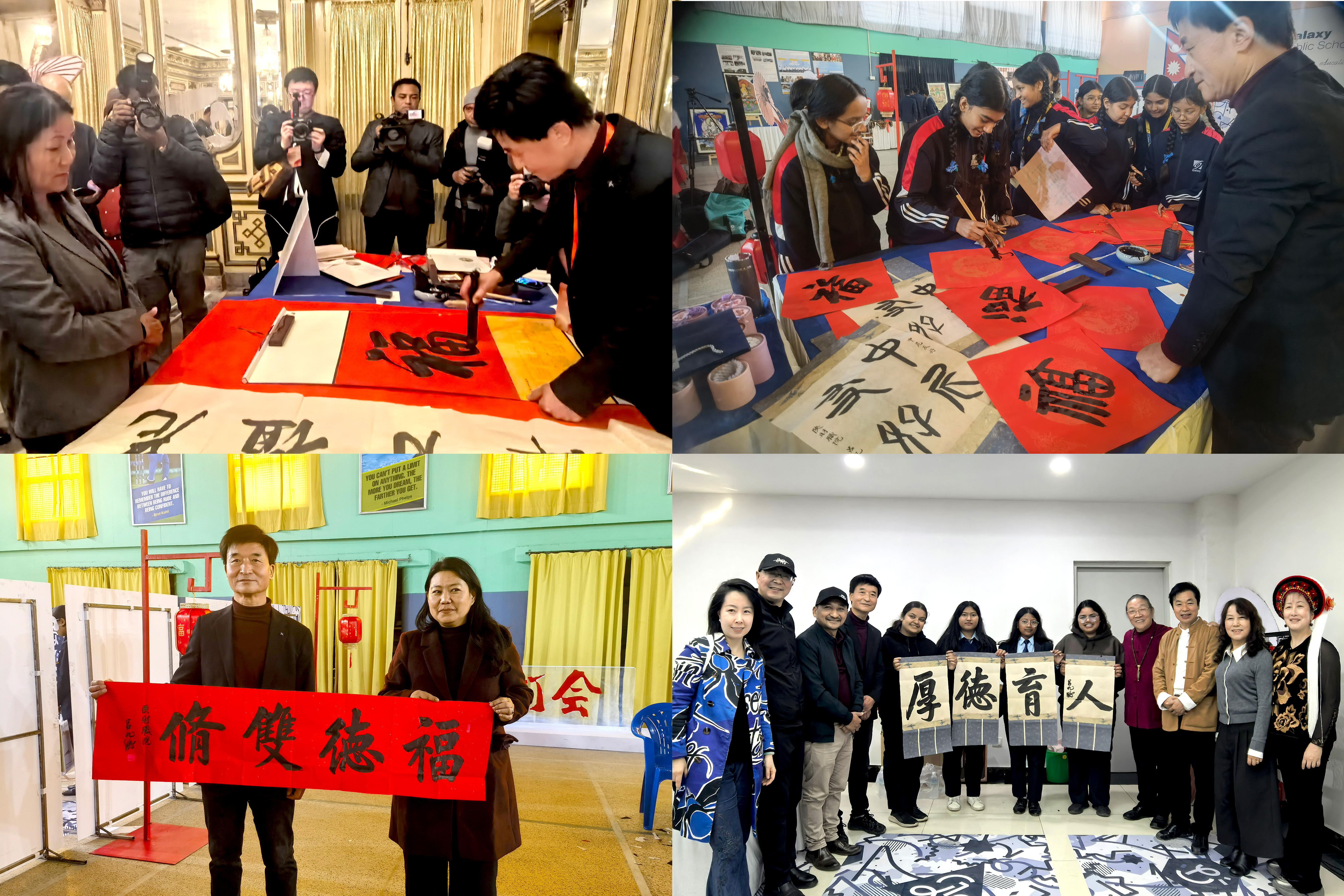
On December 28 and 29, the exchange extended into the educational sector, with activities held at Galaxy Public School and Tribhuvan University in Kathmandu. Together with other inheritors of intangible cultural heritage from China, the delegation provided students and faculty with immersive and dynamic cultural experiences. In the "Intangible Cultural Heritage Dialogue" exhibition zone, Master He Xingwen displayed his wheat straw artworks and demonstrated the meticulous crafting process, revealing the refined skill and folk artistry of Shaanxi. Professor Lü Jiupeng engaged participants with brush writing sessions, explaining the subtleties of calligraphy and allowing Nepali students to experience the beauty of Chinese characters and Eastern philosophy through ink, brush, and paper. Students enthusiastically participated in hands-on practice, gaining a deeper appreciation for the unique value of traditional Chinese culture.
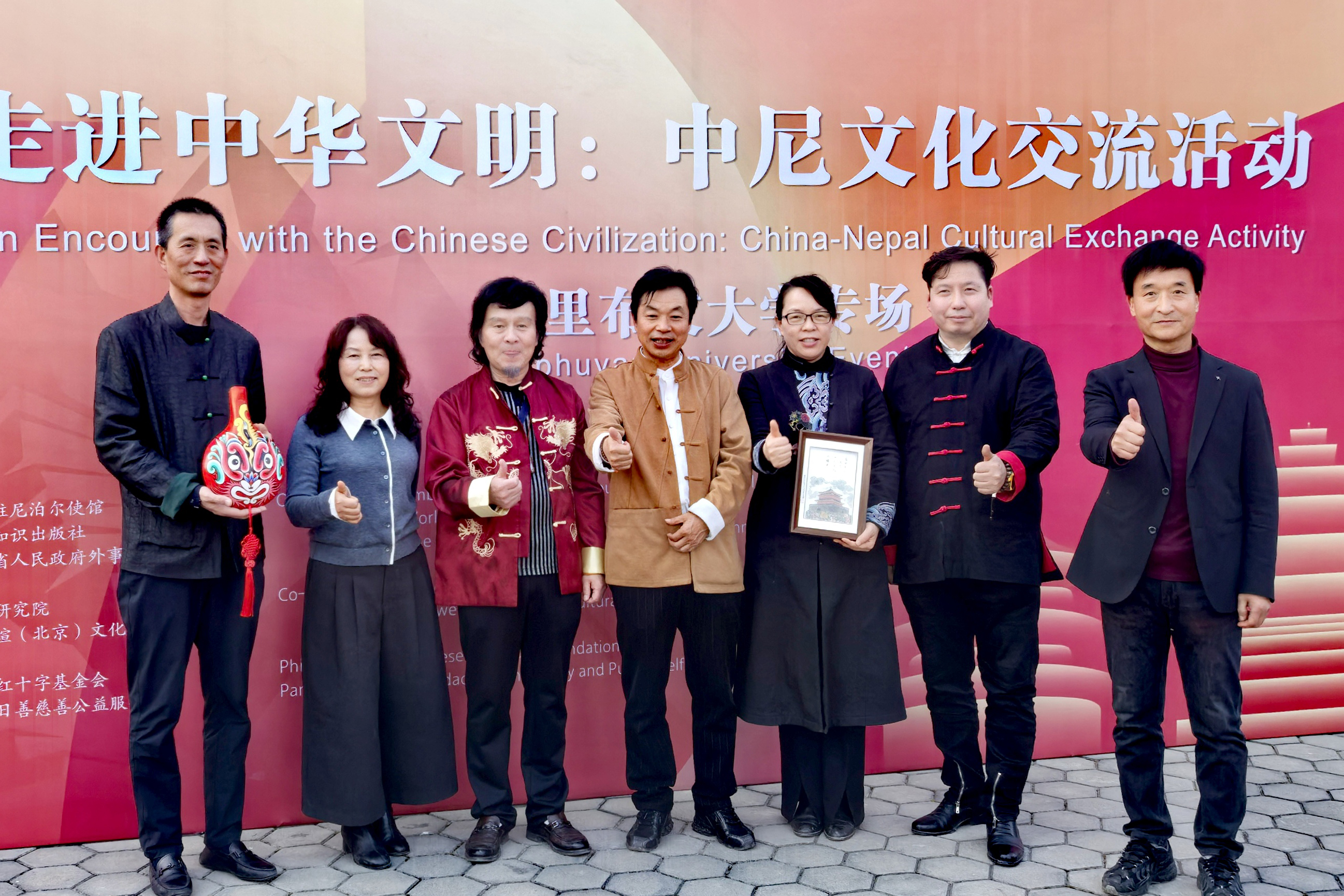
The cultural exchange to Nepal concluded with outstanding success, serving not only as an effective international presentation of our institution’s artistic excellence and faculty expertise, but also as a vivid practice of contributing to national cultural diplomacy and promoting the global outreach of China’s fine traditional culture. Notably, the exceptional presentation and communicative impact of our intangible cultural heritage projects during this high-level diplomatic event received significant attention and recognition from the organizers and relevant authorities. The Foreign Affairs Office of the Shaanxi Provincial People’s Government affirmed the delegation’s contributions, commending the well-designed presentations for accurately conveying cultural depth and effectively fostering mutual understanding between peoples. This reflects the remarkable outcomes achieved by our institution’s international engagement work—guided by national and provincial foreign affairs departments—in integrating local cultural resources and supporting state-level people-to-people exchange initiatives, demonstrating our commitment and capability in cultural heritage innovation and international dialogue.
Looking ahead, our institution will continue to leverage its unique strengths in intangible cultural heritage transmission, arts education, and cultural exchange. We will actively integrate into the broader landscape of the country’s external engagements, innovate in cultural communication methods, and contribute wisdom and energy to sharing Chinese and Shaanxi stories with the world, deepening mutual learning among civilizations, and advancing the building of a global community of shared future.